Sumba: The Island That Teaches You What Coming Home Means
May 10, 2026 · 5 min read
There are islands you visit to see, and islands you visit to feel. Sumba is the second kind.
Time on this island runs to a different rhythm. Megalithic villages still stand as they have for centuries, Sandalwood horses run free across the savanna, and every strand of woven cloth carries the prayer of its weaver.
Ikat: A Woven Prayer
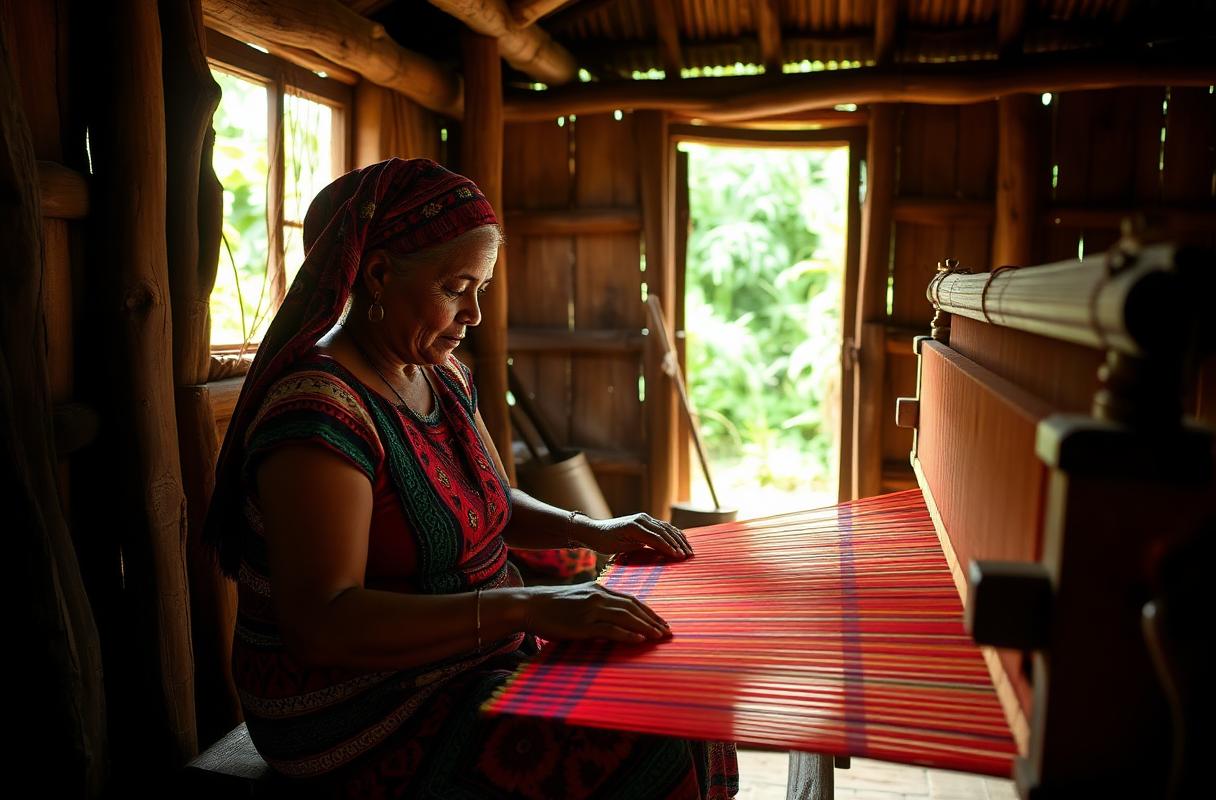
A single Sumbanese ikat cloth can take six months to three years to finish. The thread is hand-spun, dyed with mengkudu root and indigo, then tied motif by motif before it is finally woven.
In Praijing village we sat with Mama Rambu, who has been weaving since she was nine. 'Every motif has a meaning,' she said. 'Horses for freedom, roosters for the guardian, shrimp for the life after death.' Buying a cloth directly from the weaver isn't just a transaction — it's the most concrete way to keep this culture alive.
Beaches Without Footprints
Walakiri with its dancing mangroves, Mandorak hemmed in by limestone cliffs, the glass-clear Weekuri lagoon — Sumba's beaches remain quiet even in peak season. Often, the only footprints in the sand are your own.
This is Sumba's real luxury: space to be alone, a sky uncluttered by buildings, and a silence broken only by waves.
Arrive as a Guest, Leave as Family
Sumbanese hospitality is hard to put into words. Betel nut offered without asking, stories that run late into the night, a breakfast that is always too much. As we said goodbye, our host told us, 'This is your home now too.'
Maybe that's why so many of our guests cry when they leave Sumba. The island doesn't just give you a view — it gives you a place to come home to.